


There are stories that cannot be understood by looking only at the trees. Behind every forest there are also people, families, and communities that for generations have built their lives in close relationship with the territory.
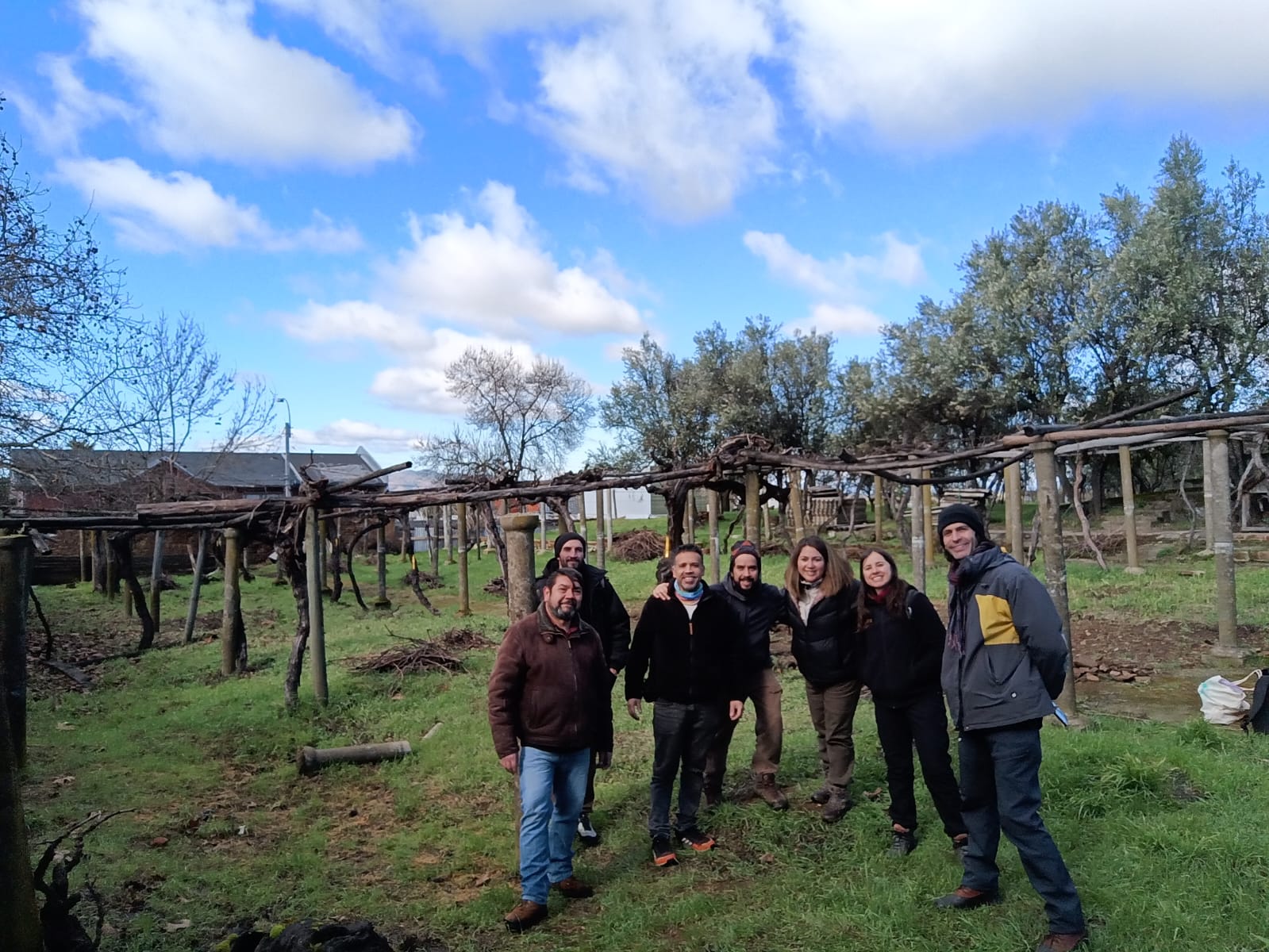
In Tirúa, the story of Primo Retamal and his mother, Alba Villanueva, is one of them. Their family trajectory is deeply tied to rural life and to a territory where the forest is part of the landscape, but also of the identity and the opportunities of those who inhabit it.
For Primo and Alba, the bond with the land has been built over the years, between daily work, shared experiences, and the changes the commune has undergone. A relationship that speaks of effort and perseverance, but also of the importance of keeping alive the roots and knowledge that are passed down from one generation to another.
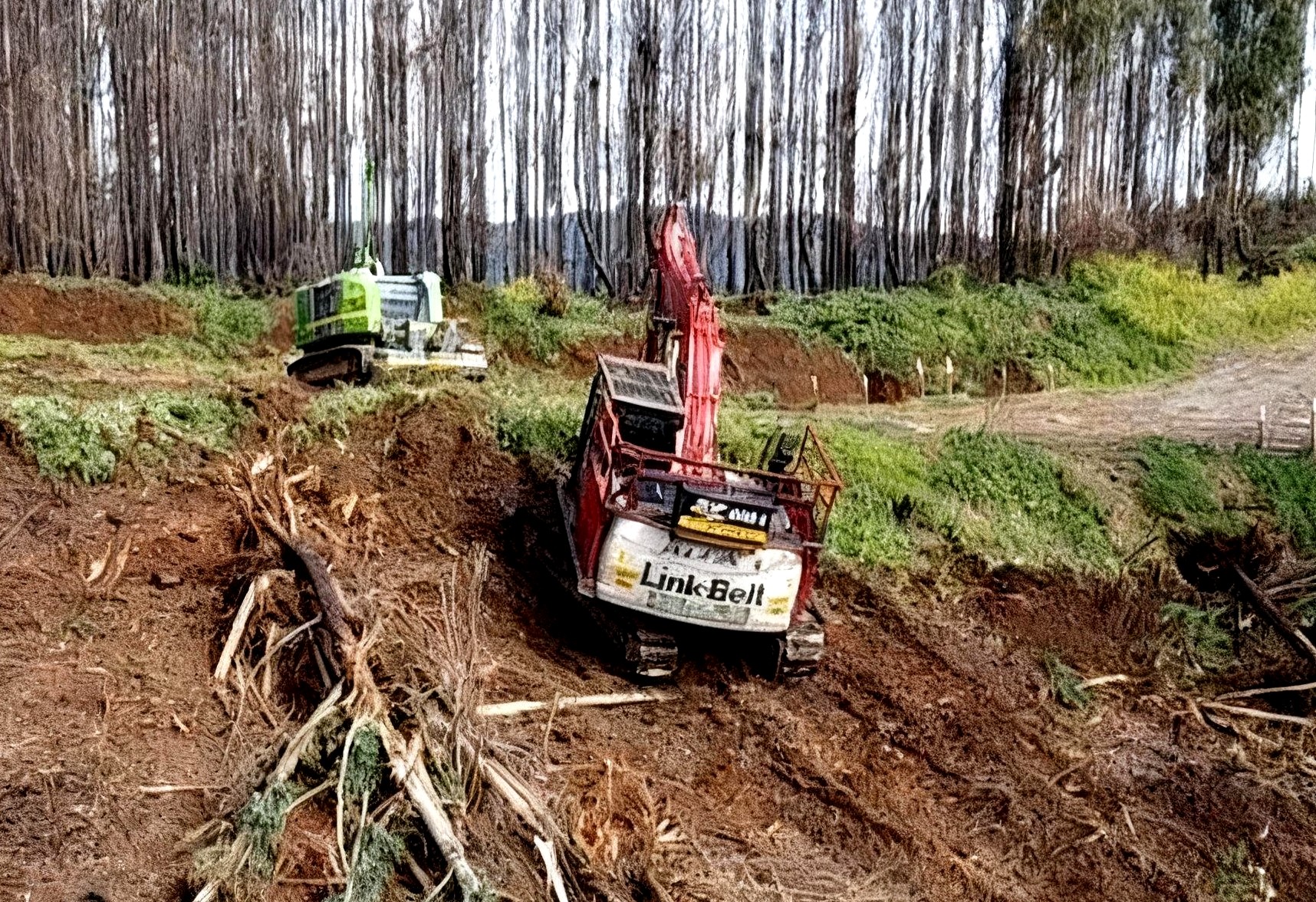
Their story reflects a dimension of forestry activity that is often less visible: the human one. Behind the work, the roads, and the timber there are families that depend on this territory, people who know its cycles, and communities that have learned to coexist with the different activities that take place in it.
In times when concepts such as sustainability, environmental protection, and territorial development are becoming increasingly relevant, stories like that of Primo and Alba make it possible to focus on a fundamental question: how to move toward a balanced relationship between the responsible use of natural resources, productive activity, and the well-being of communities.
Because talking about the forest also means talking about people.
From Acoforag, we seek to rescue precisely those stories: those of men and women who, from different parts of the territory, have dedicated an important part of their lives to work and to the land. Stories that make it possible to understand that behind forestry activity there is a social and family dimension that also deserves to be known and valued.
The story of Primo Retamal and Alba Villanueva is, ultimately, the story of a family and of a territory. A story built with work, rootedness, and a daily relationship with the land, which reminds us that the development of the forest must also consider those who live and build their lives alongside it.


Comments (0)
No comments yet. Be the first to comment!
Leave a comment