

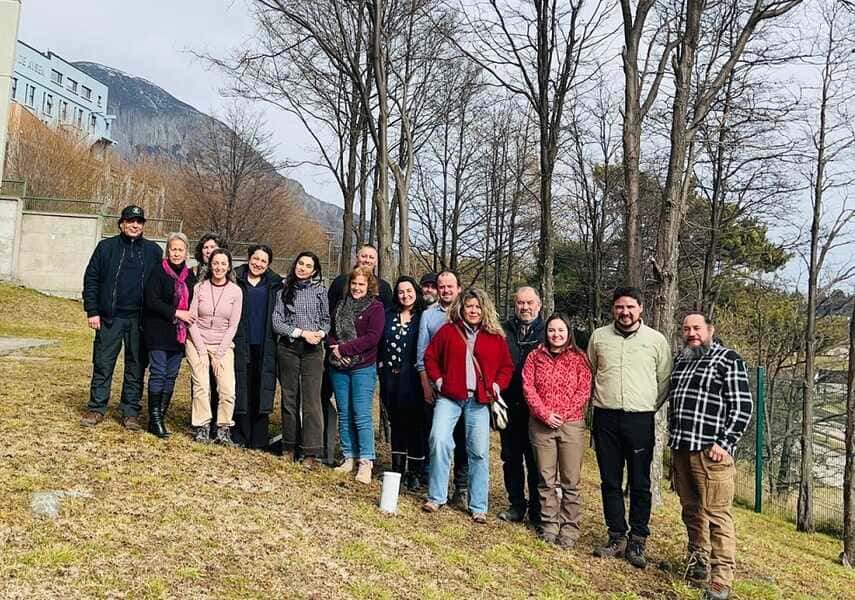
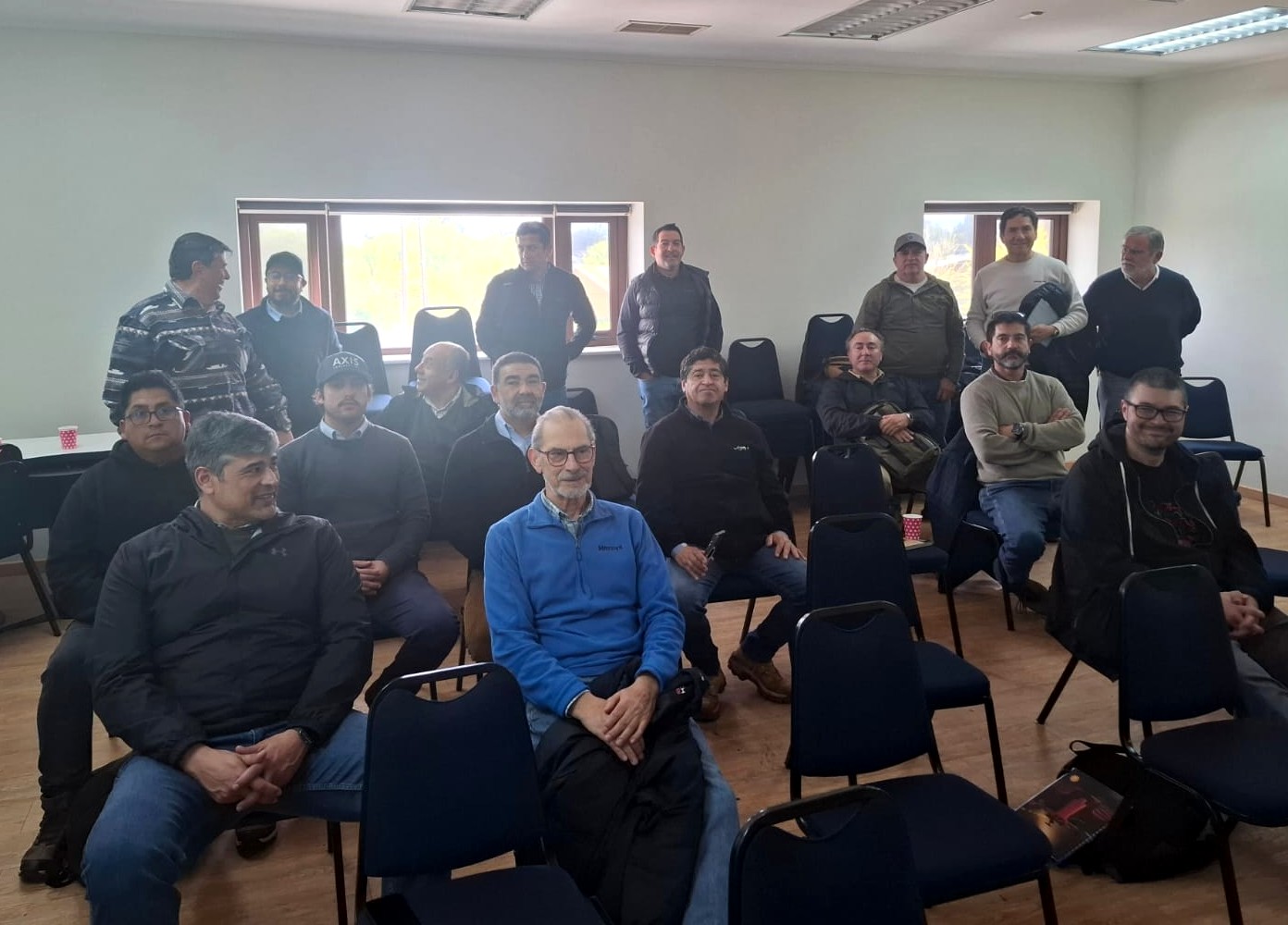
With the challenge of advancing toward more sustainable management of native forest in the Aysén Region, forest owners, companies, and public agencies participated on August 18 in a training session of the Clean Production Agreement (APL) Bosque Nativo Coyhaique.
The purpose of the activity was to build technical capacities and provide tools for the implementation of Management Plans under Forest Management Criteria (PMCOF), strengthening the competencies of participating companies and advancing the implementation of the commitments established by the agreement.
The session brought together forest owners, professionals from the public services that make up the Coordinating Committee, and representatives of the Agency for Sustainability and Climate Change, in a collaborative work instance aimed at addressing the main challenges of property management and sustainable native forest management.
"This APL shows that sustainable native forest management can generate environmental and productive benefits at the same time. We are advancing together with companies, owners, and public agencies on concrete solutions that allow recovering these ecosystems, improving their management, and strengthening the sector's capacities," said Ximena Ruz, executive director of the Agency for Sustainability and Climate Change.
Recover and produce sustainably
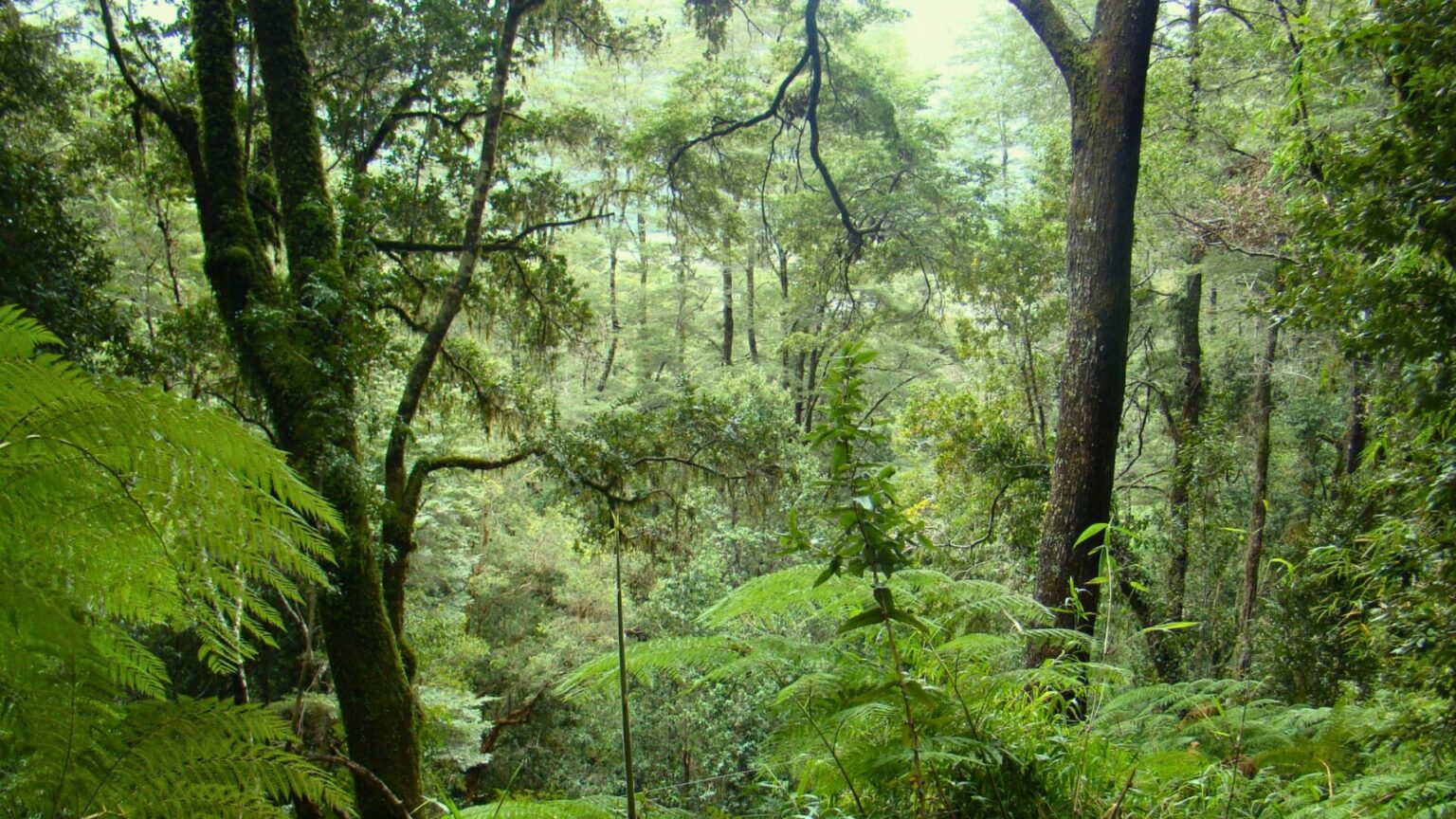
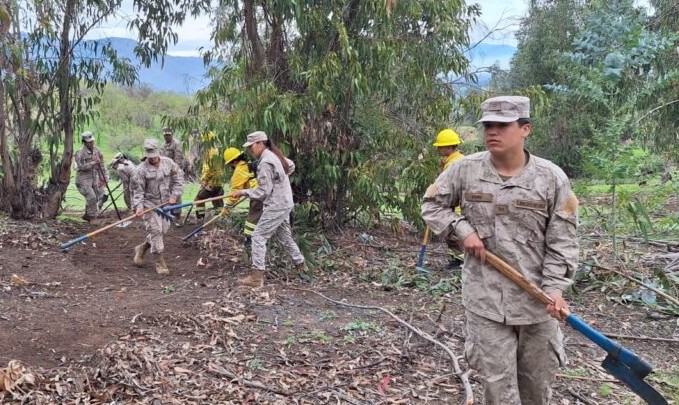
The initiative takes on special importance considering the characteristics of Aysén, a region that concentrates more than 33% of Chile's native forest and where these ecosystems have faced historical processes of degradation associated, among other factors, with forest fires and extensive livestock farming.
Faced with this scenario, the forest management model promoted by the APL seeks to establish a balance between conservation, recovery, and production. To this end, it incorporates Improved Forest Management (IFM) practices, aimed at increasing carbon storage, protecting forests that fulfill functions in micro-watersheds, and maintaining conservation corridors.
The model also aims to generate conditions to advance toward financing mechanisms linked to the provision of ecosystem services, thus expanding the possibilities for conservation and responsible management to be integrated into productive activity.
The results achieved so far show significant progress. The APL already incorporates more than 3,700 hectares of native forest and brings together 12 companies in the sector. The goal is to add five new companies and reach 5,000 hectares incorporated into the agreement during this year.
For José Ignacio Aguilar, president of the consortium, training plays a fundamental role in this process, by allowing "strengthening the technical capacities of our companies and providing tools that allow us to advance with greater autonomy and efficiency in the implementation of our Management Plans under Forest Management Criteria."
Concrete results in the field
In terms of compliance, the APL records 29% progress toward its goals. Among the main results, the protection of 418.3 hectares designated for native forest recovery stands out, through the installation of 6,790 meters of fencing.
The perimeter fencing aims to prevent livestock from entering recovery areas, protecting new shoots from trampling and animal consumption. In this way, natural regeneration is favored and conditions are created for the progressive recovery of the ecosystem.
This work is complemented by silvicultural management carried out on 205 hectares, through regeneration cuts, sapling management, and intermediate cuts.
These interventions have also made it possible to subsidize approximately 100 hectares under the framework of Law No. 20,283, generating evidence regarding the technical and economic viability of a model that seeks to combine forest management and conservation.
Training for more efficient management
During the session, topics directly related to property management were also covered in depth, including forest regulations, inspection, and correct use of free transit guides.
Financing alternatives available to companies and owners were also presented, including INDAP Bridge Credits and the Dendroenergy Strategy.
The incorporation of digital tools made it possible to address new alternatives to facilitate management and support decision-making in the field. This was complemented by a review of aspects related to risk management, through SENAPRED, and the content presented by the SEREMI of the Environment on landscape restoration, through the GEF Landscape Restoration project.
The training concluded with a participatory workshop aimed at advancing the commercial structuring of the consortium's product catalog. This instance aims to strengthen another of the agreement's strategic objectives: improving productivity, associativity, and marketing capacities of participating companies.
The challenge of ensuring capacities endure
CONAF Aysén also highlighted the progress of the agreement and the value of collaboration between the public and private sectors.
Marcela Piñones, regional director of CONAF in Aysén, stated that the challenge now is to ensure that the tools and knowledge acquired are maintained over time and translate into effective and sustainable management of properties.
"This initiative continues to consolidate among owners, demonstrating the value of our collaboration. The great challenge now is that these tools and capacities endure over time and translate into effective and sustainable management," she stated.
The authority added that the challenge is not limited to increasing the area incorporated into the agreement, but also implies generating a cultural change regarding forest management.
"Beyond the area covered, we need to instill in the collective the urgency of addressing the technical recommendations of forest management plans to guarantee and establish a culture of long-term sustainable management," she emphasized.
With more than 3,700 hectares incorporated, 12 participating companies, and a goal of reaching 5,000 hectares during this year, the APL Bosque Nativo Coyhaique seeks to consolidate in Aysén a model that integrates environmental recovery, conservation, productivity, and economic development.
The challenge will be to transform the progress achieved into a permanent management practice, strengthening collaboration among owners, companies, and public agencies and generating capacities that ensure the long-term sustainability of the native forest.




Comments (0)
No comments yet. Be the first to comment!
Leave a comment