

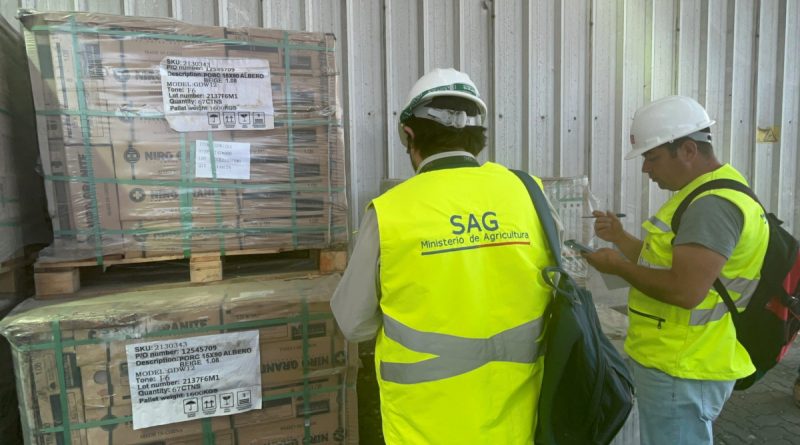
The Agricultural and Livestock Service (SAG) of the Biobío Region strengthened the capabilities of its technical teams to face a potential detection of the spongy moth (Lymantria disparAsian and Japanese), one of the most impactful forest pests worldwide and which is currently not established in Chile.
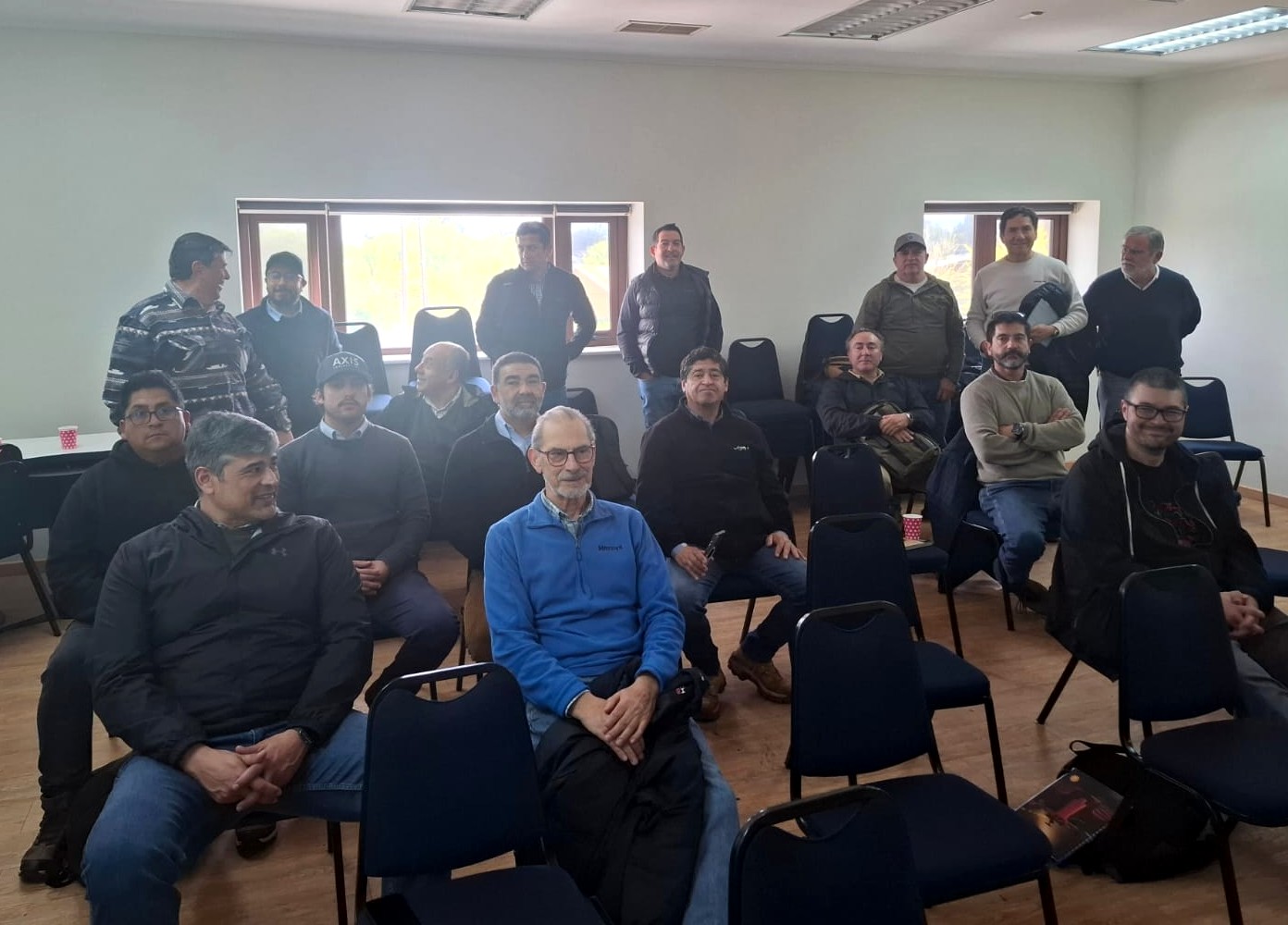
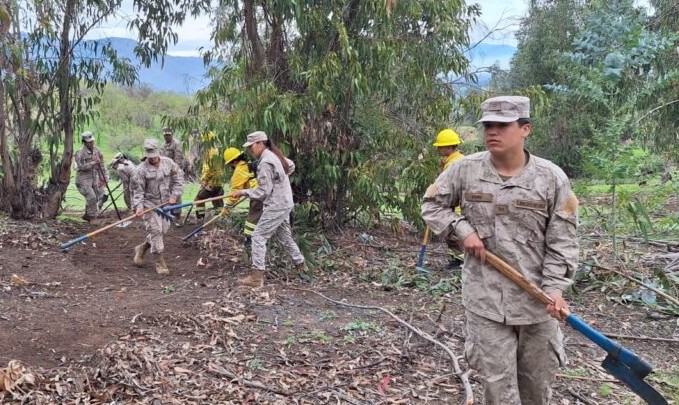
The preparation included a training session on the Contingency Plan for the Eradication of Outbreaks ofLymantria disparand a drill aimed at testing response procedures in the event of a potential phytosanitary emergency.
SAG officials explained that the activity seeks to strengthen the capabilities of the Forest Surveillance area against a quarantine pest absent in the country, but which represents a threat due to the movement of vessels coming from areas where it is present.
The regional director of SAG Biobío, Roberto Ferrada, highlighted the importance of anticipating a potential detection scenario, considering the pressure generated by international maritime trade.
"This activity responds to the need to prepare for the potential detection of this pest, which has a high impact on the national phytosanitary heritage, considering the entry pressure that exists toward Chile through international maritime trade," he stated.
The risk is not merely theoretical. According to the regional authority, vessels arriving from Asia carrying egg masses of this pest have been intercepted at Biobío ports, which were controlled in a timely manner.
"This demonstrates that there is a real entry pressure, which is why Biobío is one of the regions with the highest risk of introduction for the country," Ferrada emphasized.
As part of preventive measures, SAG maintains a surveillance network around the region's main ports. Currently, there are 167 traps distributed within a seven-kilometer radius around the ports of Coronel, San Vicente, and Lirquén, which are periodically inspected.
Surveillance has made it possible to keep the risk of pest establishment under control. In November 2025, SAG Biobío reported that the area had accumulated more than 300 days without records ofLymantria dispar.
Preparation for a potential emergency
The training was led by the forest engineer of the SAG Agricultural and Forest Protection Division, Marcos Beeche, who highlighted the value of practical exercises to assess the institution's response capacity.
"This type of activity allows us to put into practice what is established in a document and evaluate how we would respond to a real situation. Drills also help identify opportunities for improvement and strengthen institutional procedures," he explained.
Beeche described the exercise as a pioneering initiative at the national level and valued the decision to carry it out in the Biobío Region, considering its exposure to international maritime trade.
The specialist also emphasized that speed of reaction is decisive in preventing the pest from becoming established in national territory.
"One of the most important factors for the success of any eradication program is acting in a timely manner. The faster the detection and response, the greater the chances of eliminating the pest before it becomes established," he stated.
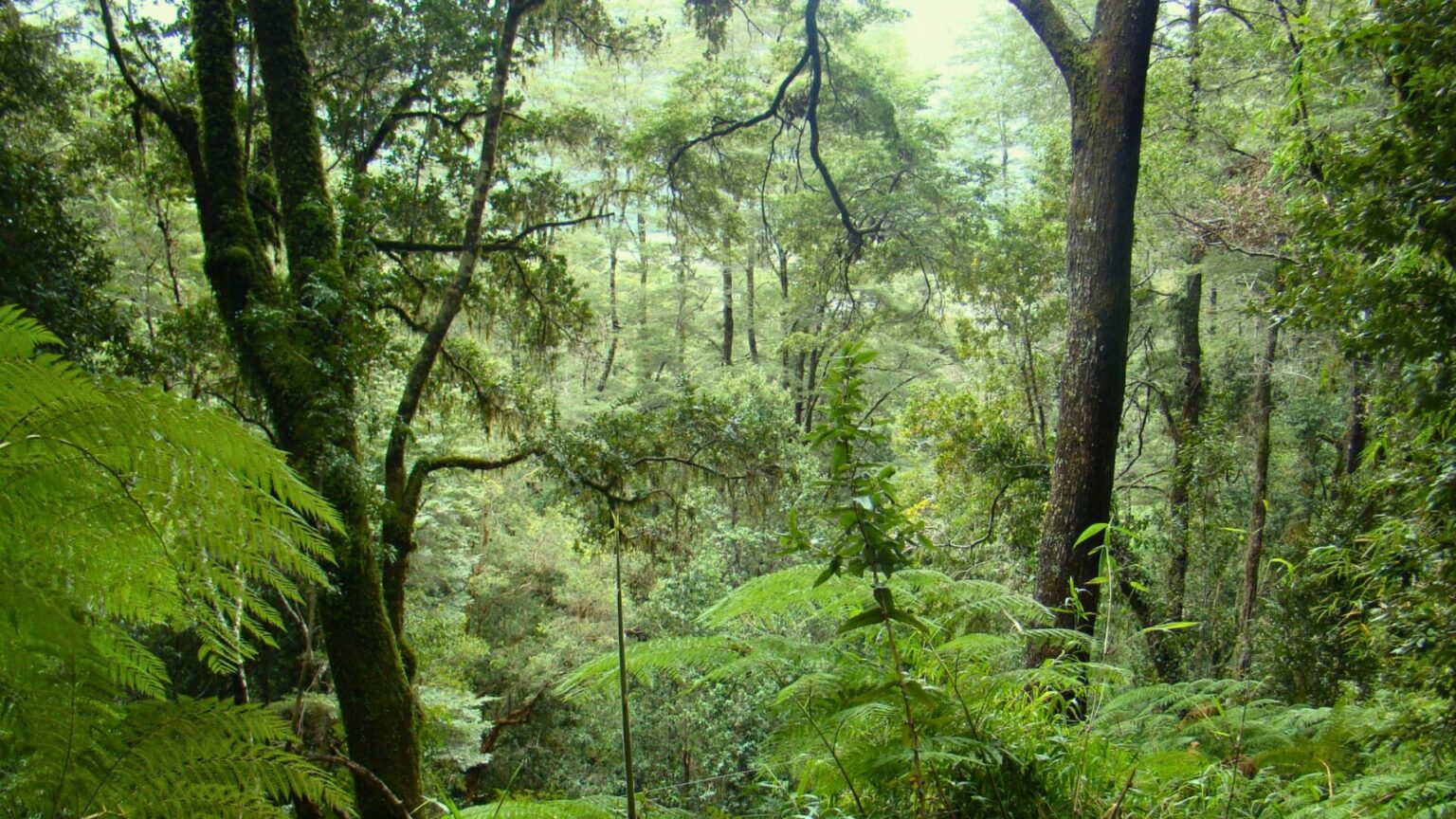
Species of the genusLymantriaconstitute one of the most important groups of forest pests worldwide, due to their ability to affect trees of forestry, agricultural, and environmental relevance.
"We must avoid at all costs their introduction and establishment in Chile, as they could generate significant economic, environmental, and social impacts," Beeche warned.
A risk associated with maritime transport
The Asian and Japanese spongy moth can enter new territories mainly associated with maritime transport, especially through egg masses attached to vessel surfaces and other elements linked to port operations.
Therefore, surveillance at main entry points constitutes a key tool for early detection of any presence of the pest and preventing its spread.
In the event of a confirmed outbreak, the contingency plan contemplates the application of control and eradication measures. These include the use of the biological insecticideBacillus thuringiensis, a product that, according to SAG, is harmless to human health and has high specificity for controlling the pest's larvae.
The strategy implemented by SAG thus seeks to keep Chile free ofLymantria disparand strengthen the response capacity of regions with greater exposure to the risk of entry through international trade.





Comments (0)
No comments yet. Be the first to comment!
Leave a comment