

Forest exports from the Biobío Region reached US$ 204 million in May 2026, representing 63.7% of the region's total foreign shipments. Despite maintaining its position as the region's leading export sector, this figure shows a 9.8% decrease compared to the same month of the previous year.
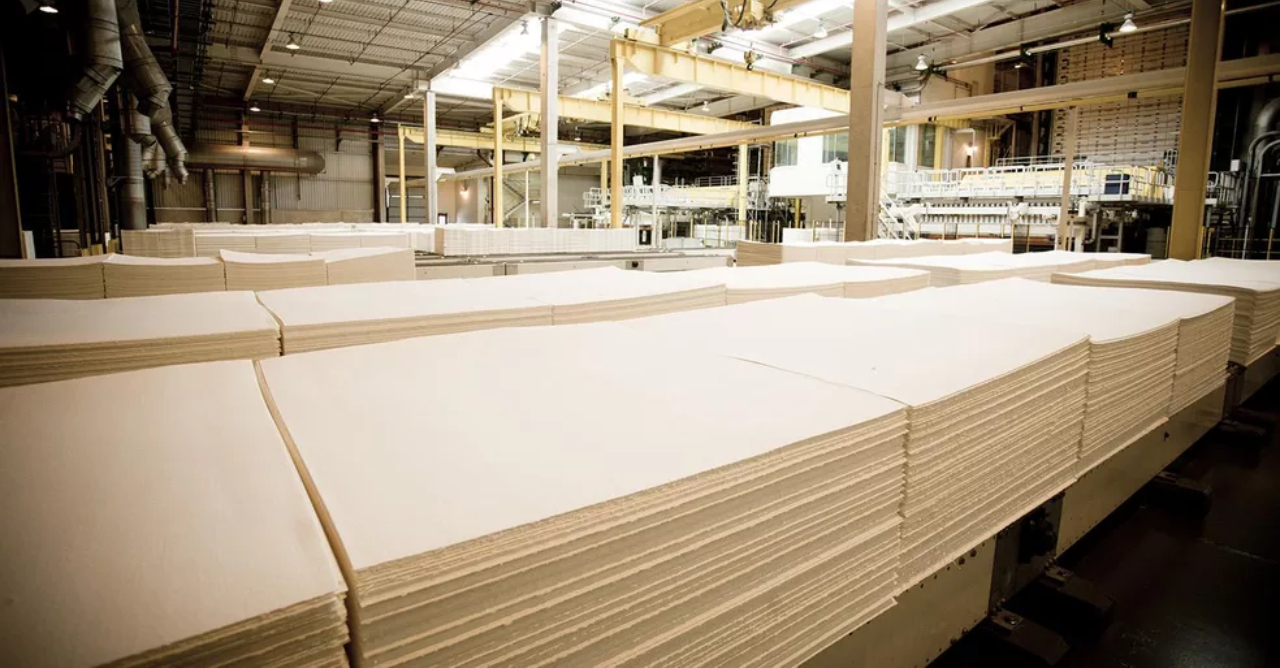
According to the Forest Exports Bulletin prepared by the National Institute of Statistics (INE), cellulose continues to be the main exported product, accounting for 63.8% of the regional forest total with shipments worth US$ 130.1 million. It is followed by sawn wood (US$ 26.3 million), wood fiberboards (US$ 11.2 million), plywood (US$ 10.2 million), and wood profiles and moldings (US$ 5.9 million).
Economic activity related to the manufacture of cellulose, paper, and cardboard led forest exports during the period, with a 66.6% share and an amount of US$ 135.9 million, registering a year-on-year decline of 3.7%. Meanwhile, forestry activity experienced a more pronounced drop of 20.1%, totaling US$ 67.8 million.
International markets
In terms of international markets, China remained the main destination for Biobío's forest exports, accounting for 32.3% of total exports and reaching US$ 65.9 million. However, shipments to the Asian giant decreased by 11% compared to May 2025.
The United States ranked second among the main buyers with US$ 30 million, although it recorded one of the largest declines of the period, with a drop of 30.7%. Meanwhile, the Netherlands imported US$ 16.9 million, while South Korea and Germany showed positive performance, with increases of 21.9% and 103.6%, respectively.
The five main destinations —China, the United States, the Netherlands, South Korea, and Germany— accounted for 67.7% of regional forest exports, totaling US$ 138.1 million.
Although the forest sector faces a contraction scenario compared to the previous year, it continues to be the main export driver of the Biobío Region. The sector's high share in regional foreign trade reflects its economic relevance and the need to continue diversifying markets and products to cope with fluctuations in international demand.








Comments (0)
No comments yet. Be the first to comment!
Leave a comment